Tasting Notes: Discovering Unique Whisky Flavors
Whisky is more than just a drink; it’s an experience that engages the senses and tells a story with every sip. From the rich, smoky notes of Islay malts to the sweet, fruity undertones of Speyside whiskies, the world of whisky is vast and varied. In this post, we will explore the unique flavors found in different whiskies, how to identify them, and tips for enhancing your tasting experience.

Understanding Whisky Flavor Profiles
Whisky flavor profiles are influenced by several factors, including the type of grain used, the distillation process, and the aging conditions. Here are the primary components that contribute to the flavor of whisky:
1. Grain Type
The grain used in whisky production plays a crucial role in determining its flavor. Common grains include:
Barley: Often used in single malts, it imparts a rich, nutty flavor.
Corn: Predominantly used in bourbon, it adds sweetness and a smooth texture.
Rye: Known for its spicy and robust character, rye whisky offers a bold flavor profile.
2. Distillation Process
The method of distillation can also affect the final taste of the whisky. Distillation can be done in pot stills or column stills, each imparting different characteristics:
Pot Still: Typically used for single malts, it allows for a more complex flavor due to the slower distillation process.
Column Still: Common in grain whiskies, it produces a lighter and cleaner spirit.
3. Aging Conditions
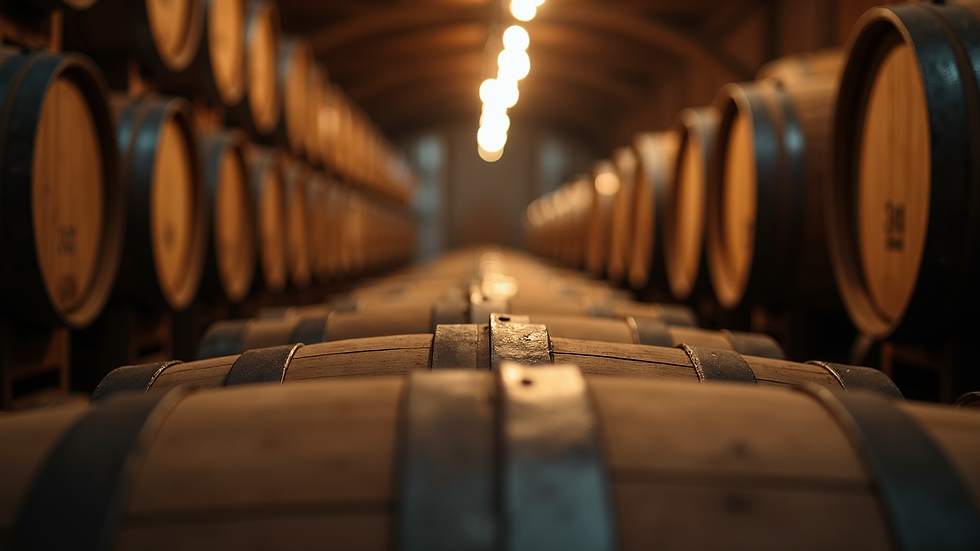
Whisky matures in barrels, and the type of wood, previous contents of the barrel, and environmental conditions all influence the flavor:
Oak Barrels: Most whiskies are aged in oak, which adds vanilla, caramel, and spice notes.
Sherry Casks: Used for aging some Scotch whiskies, these casks contribute dried fruit and nutty flavors.
Climate: Whiskies aged in warmer climates tend to mature faster and develop bolder flavors.
Exploring Flavor Categories
Whiskies can be categorized into several flavor profiles. Understanding these categories can help you identify and appreciate the unique characteristics of each whisky.
1. Smoky and Peaty
Whiskies from regions like Islay are known for their smoky and peaty flavors. The use of peat during the malting process infuses the spirit with earthy, medicinal notes.
Examples:
Laphroaig 10 Year Old: Offers a bold, smoky flavor with hints of seaweed and brine.
Ardbeg 10 Year Old: Known for its intense peat smoke balanced with citrus and vanilla.
2. Fruity and Floral
Speyside whiskies are often characterized by their fruity and floral notes. These whiskies tend to be lighter and sweeter, making them approachable for newcomers.
Examples:
Glenfiddich 12 Year Old: Features fresh pear and apple notes with a hint of oak.
The Macallan Sherry Oak 12 Year Old: Offers dried fruits, spice, and chocolate flavors.
3. Spicy and Bold
Rye whiskies are known for their spiciness and bold flavors. They often have a peppery finish that adds complexity.
Examples:
Bulleit Rye: Known for its high rye content, it delivers a spicy kick with notes of vanilla and honey.
Rittenhouse Rye: Offers a rich, full-bodied flavor with hints of caramel and spice.
4. Sweet and Rich
Bourbon whiskies are typically sweeter due to the high corn content. They often have rich, caramel flavors that make them popular among whisky drinkers.
Examples:
Buffalo Trace: Known for its smoothness and notes of vanilla, caramel, and spice.
Woodford Reserve: Offers a rich flavor profile with dried fruit, vanilla, and toasted oak.
How to Taste Whisky Like a Pro
Tasting whisky is an art that involves more than just sipping. Here’s a step-by-step guide to enhance your tasting experience:
Step 1: Choose the Right Glass
Using the right glass can significantly impact your tasting experience. A Glencairn glass or a tulip-shaped glass is ideal as it concentrates the aromas.
Step 2: Observe the Color
Hold the glass up to the light and take note of the color. The hue can give you clues about the whisky's age and the type of cask used for aging.
Pale Gold: Often indicates a younger whisky or one aged in refill casks.
Amber: Suggests a longer aging process or the use of sherry casks.
Step 3: Swirl and Sniff
Gently swirl the whisky in the glass to release its aromas. Take a moment to inhale deeply and identify the different scents. Look for:
Fruity: Apples, pears, or berries.
Spicy: Cinnamon, nutmeg, or pepper.
Woody: Oak, cedar, or sandalwood.
Step 4: Take a Sip
Take a small sip and let it roll over your palate. Pay attention to the initial flavors, the mid-palate, and the finish.
Initial Flavors: What do you taste first?
Mid-Palate: How does the flavor evolve?
Finish: What lingering notes do you experience?
Step 5: Add Water (Optional)
Adding a few drops of water can open up the whisky and reveal hidden flavors. Experiment with different amounts to find your preferred balance.
Pairing Whisky with Food
Pairing whisky with food can elevate both the drink and the meal. Here are some classic pairings to consider:
1. Smoky Whiskies
Pair smoky whiskies with rich foods like:
Grilled meats: The smokiness complements the charred flavors.
Strong cheeses: Blue cheese or aged cheddar can balance the intensity.
2. Fruity Whiskies
Fruity whiskies pair well with:
Desserts: Fruit tarts or chocolate desserts enhance the sweetness.
Salads: Light salads with citrus dressings can highlight the fruity notes.
3. Spicy Whiskies
Spicy whiskies are great with:
Barbecue: The heat of the spices in the food complements the whisky's bold flavors.
Asian cuisine: Dishes with ginger or chili can create a harmonious balance.
4. Sweet Whiskies
Sweet whiskies pair nicely with:
Nuts: Roasted almonds or pecans enhance the nutty flavors.
Dark chocolate: The richness of dark chocolate complements the sweetness of bourbon.
Conclusion
Exploring the unique flavors of whisky is a journey that can be both enjoyable and educational. By understanding the different flavor profiles, tasting techniques, and food pairings, you can enhance your whisky experience. Whether you are a seasoned connoisseur or a curious newcomer, there is always something new to discover in the world of whisky. So grab a glass, invite some friends, and embark on your own tasting adventure!

Comments