Exploring the Heritage of Craft Whisky Casks
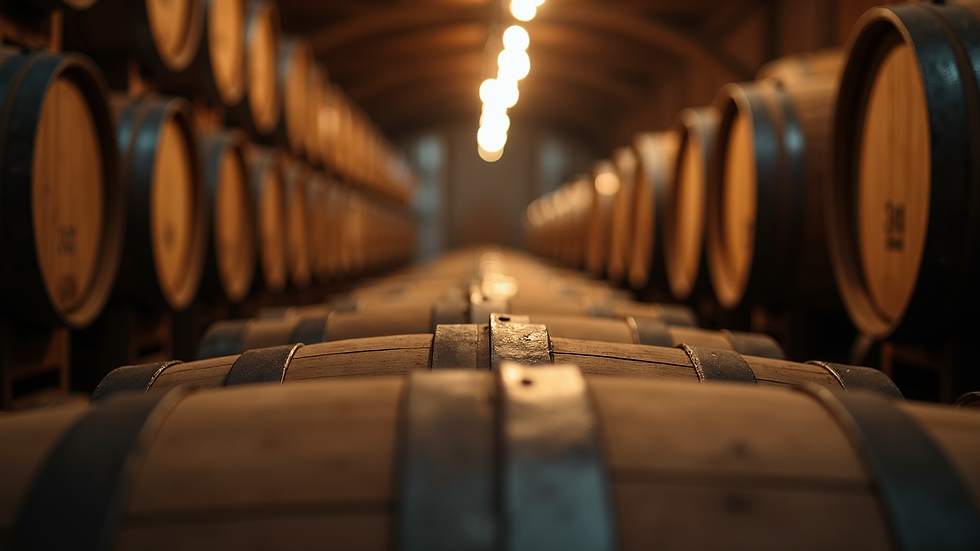
Whisky is more than just a drink; it’s a story told through time, tradition, and craftsmanship. One of the most crucial elements in this narrative is the cask in which the whisky is aged. The heritage of craft whisky casks is rich and varied, influencing not only the flavor profile of the whisky but also the culture surrounding it. In this post, we will delve into the history, types, and significance of whisky casks, exploring how they shape the spirit we love.

The Historical Significance of Whisky Casks
The journey of whisky begins long before it reaches the bottle. The use of casks for aging whisky dates back centuries, with origins rooted in the need for storage and transportation. Early distillers discovered that wooden casks not only preserved the spirit but also enhanced its flavor through interaction with the wood.
Origins of Cask Aging
Ancient Practices: The earliest forms of whisky were likely stored in whatever containers were available, including clay pots and wooden barrels. The transition to wooden casks, particularly oak, marked a significant turning point in whisky production.
Scotch Whisky Regulations: In Scotland, the Scotch Whisky Association (SWA) has strict regulations governing the aging process. According to these regulations, whisky must be aged in oak casks for a minimum of three years. This aging process allows the whisky to absorb flavors from the wood, contributing to its complexity.
The Role of Oak in Whisky Production
Oak is the preferred wood for whisky casks due to its unique properties. The wood's porous nature allows for the slow interaction between the spirit and the wood, leading to a variety of flavor compounds being released into the whisky.
Flavor Development: Different types of oak impart distinct flavors. American oak, for example, is known for its vanilla and caramel notes, while European oak tends to add spiciness and dried fruit flavors.
Tannins and Color: The tannins in oak not only contribute to the flavor but also affect the color of the whisky, giving it the rich amber hue that many enthusiasts appreciate.
Types of Whisky Casks
Not all whisky casks are created equal. The type of cask used can dramatically alter the final product. Here are some of the most common types of casks used in whisky production:
Bourbon Casks
Bourbon casks are made from new American oak and are heavily charred on the inside. This charring process caramelizes the wood sugars, resulting in a sweeter flavor profile.
Flavor Notes: Vanilla, caramel, and coconut are common flavors found in whiskies aged in bourbon casks.
Usage: After being used for bourbon, these casks are often sold to distilleries for whisky aging, making them a popular choice.
Sherry Casks
Sherry casks come from Spain and are used to age sherry wine before being repurposed for whisky. These casks are typically made from European oak and can impart rich, fruity flavors.
Flavor Notes: Dried fruits, nuts, and spices are characteristic of whiskies aged in sherry casks.
Usage: Many Scotch whiskies utilize sherry casks to add depth and complexity to their flavor profiles.
Wine Casks
Wine casks, including those from Bordeaux and Burgundy, are increasingly popular in the whisky industry. These casks can introduce unique flavors that are not typically found in traditional whisky aging.
Flavor Notes: Depending on the wine, flavors can range from berry and floral notes to earthy undertones.
Usage: Distilleries often experiment with wine casks to create limited edition releases that appeal to adventurous whisky drinkers.
The Craft of Cask Selection
Selecting the right cask is a crucial step in the whisky-making process. Master distillers often spend years perfecting their craft, understanding how different casks will influence the final product.
Factors Influencing Cask Selection
Desired Flavor Profile: Distillers must consider the flavors they want to achieve. For example, a distillery aiming for a fruity whisky may choose sherry casks, while one looking for a sweeter profile might opt for bourbon casks.
Cask History: The previous contents of a cask can significantly impact the whisky. A cask that previously held a robust red wine will impart different flavors than one that held a lighter white wine.
The Art of Blending
In addition to selecting individual casks, many distilleries engage in blending. This process involves combining whiskies from different casks to create a harmonious final product.
Balancing Flavors: Blending allows distillers to balance various flavor notes, ensuring consistency across batches.
Creating Unique Expressions: Some distilleries produce limited edition blends that showcase the unique characteristics of specific casks.
The Impact of Cask Aging on Flavor
As whisky ages in a cask, it undergoes a transformation. The interaction between the spirit and the wood leads to a complex array of flavors and aromas.
The Aging Process
Evaporation: During aging, a portion of the whisky evaporates, a phenomenon known as the "angel's share." This loss can concentrate the flavors in the remaining spirit.
Oxidation: The slow introduction of oxygen through the wood allows for chemical reactions that enhance the whisky's flavor profile.
Tasting Notes
Whisky enthusiasts often describe the flavors of aged whisky in intricate detail. Here are some common tasting notes associated with different cask types:
Bourbon Cask Aged: Sweet vanilla, caramel, and hints of spice.
Sherry Cask Aged: Rich dried fruits, nuts, and a touch of chocolate.
Wine Cask Aged: Floral notes, berries, and earthy undertones.
The Future of Craft Whisky Casks
As the whisky industry continues to evolve, so too does the approach to cask aging. Distillers are increasingly experimenting with new types of wood and innovative aging techniques.
Sustainable Practices
With a growing emphasis on sustainability, many distilleries are exploring eco-friendly practices in cask production. This includes sourcing wood from sustainable forests and repurposing used casks.
Innovation in Cask Aging
Hybrid Casks: Some distilleries are creating hybrid casks that combine different types of wood to achieve unique flavor profiles.
Shorter Aging Periods: Advances in technology allow for accelerated aging processes, enabling distillers to create complex flavors in a shorter time frame.
Conclusion
The heritage of craft whisky casks is a fascinating journey through history, flavor, and innovation. From the traditional oak casks that have stood the test of time to the experimental approaches of modern distillers, each cask tells a story. As whisky enthusiasts, understanding the significance of these casks enhances our appreciation for the spirit we enjoy. Whether you are a seasoned connoisseur or a curious newcomer, exploring the world of whisky casks opens up a realm of flavors and experiences waiting to be discovered.
So, the next time you pour a dram, take a moment to consider the craftsmanship behind the cask that shaped it. Cheers to the rich heritage of craft whisky casks!

Comments